In many home repairs, the type of silicone used makes the difference between a durable finish or a problem that reappears. Every day I see jobs where the wrong silicone has been applied and has caused leaks, mold, or a seal that peels off a few days later.
Here is a clear and practical guide so you don't make mistakes when choosing.
Acetic silicone
It is one of the best known and most widely used on glass.
Characteristics
- Strong odor similar to vinegar.
- Very good adhesion to glass and ceramics.
- Fast drying.
Recommended uses
- Glass window joints.
- Sealing between glass and tiles.
- Repairs on non-porous surfaces.
Do not use on
- Metals (can corrode them).
- Natural stone.
- PVC or porous surfaces.
Neutral silicone
It is the most versatile and the one I usually recommend for most repairs.
Characteristics
- No strong odor.
- Compatible with almost all materials.
- Does not corrode metals.
- Suitable for indoor and outdoor use.
Recommended uses
- Bathrooms and kitchens.
- PVC, wood, aluminum.
- Natural stone and delicate surfaces.
- General household repairs.
If you're not sure what to choose, neutral silicone is almost always a safe bet.
Anti-mold silicone (special for bathrooms and kitchens)
Designed specifically for wet areas.
Characteristics
- Contains fungicides.
- Prevents the appearance of mold.
- Water and vapor resistant.
Recommended uses
- Around the shower tray.
- Sinks and countertops.
- Kitchen sinks.
- Areas prone to continuous humidity.
I always recommend removing all old moldy silicone before applying new silicone.
High temperature silicone
Less known, but very useful in some jobs.
Characteristics
- Resists high temperatures (200-300ºC).
- Excellent adhesion on thermal materials.
Recommended uses
- Ovens, stoves, and fireplaces.
- Appliances with localized heat.
- Repairs near hot areas.
Special silicone for outdoors
Also called "weather silicone".
Characteristics
- UV resistant.
- Flexible to temperature changes.
- Durable in humid or sunny environments.
Recommended uses
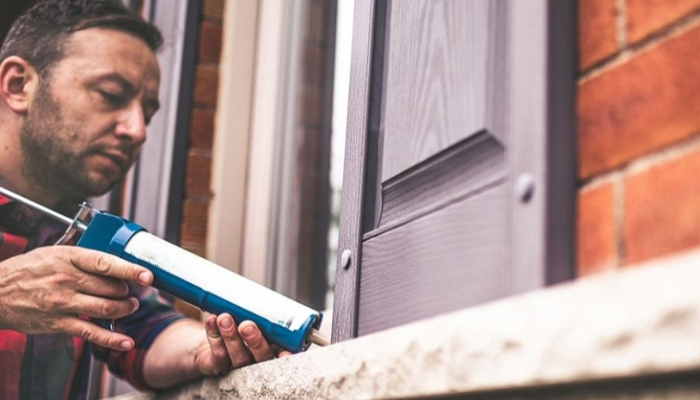
- Sealing exterior windows.
- Joints on terraces and balconies.
- Weather exposed repairs.
Silicone for PVC
Ideal for plastic elements, where other silicones fail.
Characteristics
- Optimal adhesion on rigid or flexible PVC.
- Maintains elasticity.
Recommended uses
- PVC pipes.
- Windows or doors with plastic profiles.
- Internal PVC connections and joints.
Paintable silicone (for wood and interior finishes)
It is not always known, but it is one of the most useful in aesthetic work.
Characteristics
- Can be painted once dry.
- Discreet finish.
- Good adhesion to wood and plaster.
Recommended uses
- Baseboards.
- Door frames.
- Joints between wall and wood.
- Interior finishes where an invisible result is desired.
How to choose the right silicone
Here's a quick summary:
- Shower tray / bathroom / kitchen: anti-mold silicone
- Glass windows: acetic
- General repairs: neutral
- Exterior: weather silicone
- PVC: specific silicone
- Wood: paintable silicone
- Hot zones: high temperature
If the material is delicate or you are not sure which one to use, it is always better to apply neutral silicone.
When is it better to call a professional
I recommend counting on me in these cases:
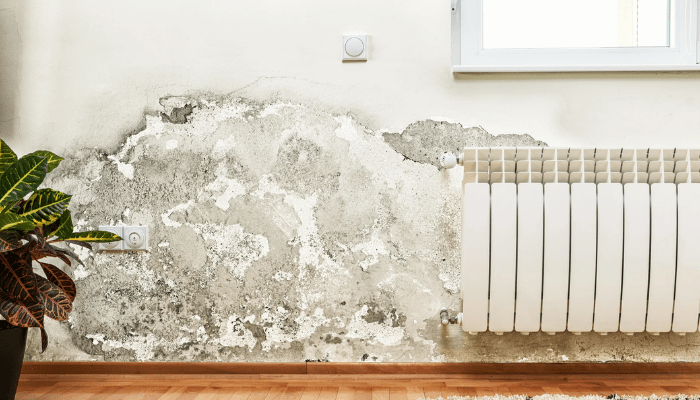
- The area has deep humidity or mold
- The sealing must be aesthetic and perfect
- The repair involves removing very adherent silicone
- There is a risk of water leakage
- These are delicate surfaces
- You do not know which silicone is the correct one
A bad seal can cause major damage, especially in bathrooms and kitchens.
Conclusion
There are many types of silicone and each one is designed for a specific use. Choosing the right one guarantees a durable, resistant, and clean seal. If you need help applying or replacing silicone in your home, I will be happy to help you from Handyman Madrid.