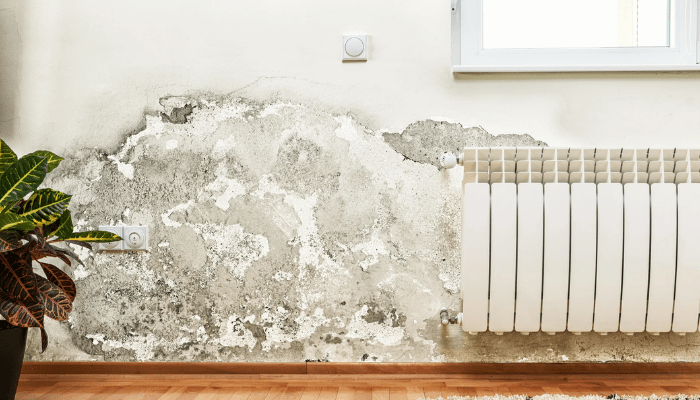
Mold is not only unsightly: it can also affect health and deteriorate materials such as walls, ceilings, furniture, or textiles. If you have detected black or green spots, or a persistent smell of dampness, it's time to act. In this guide we explain how to remove mold from your home safely and effectively, and what to do to prevent it from reappearing.
What is mold and why does it appear?
Mold is a microscopic fungus that proliferates in damp, poorly ventilated, or condensation-prone environments. The most common areas where it usually appears are:
- Bathrooms (especially in tile joints and ceilings)
- Kitchens and pantries
- Behind furniture close to the wall
- Windows with condensation
- Fabrics, carpets, or mattresses exposed to moisture
The risk is not just aesthetic: it can cause allergies, respiratory problems, and worsen asthma, especially in children and the elderly.
How to remove mold step by step
Prepare the affected area
Before cleaning, make sure to:
- Wear gloves, mask, and protective glasses
- Ventilate the space well
- Cover the floor and nearby objects with plastic or paper
Choose an effective product
Some effective homemade and commercial options to remove mold:
- Diluted bleach (1 part bleach to 3 parts water)
- White vinegar (pure or slightly diluted)
- Baking soda (ideal for textiles or mattresses)
- Commercial anti-mold cleaners
Avoid mixing products like bleach and vinegar: it can generate toxic gases.
Apply the product
- Spray the product on the affected area
- Let it act for 10-15 minutes
- Scrub with a hard brush or sponge
- Repeat if necessary
Dry the surface well
After cleaning, completely dry the area. If moisture remains, the mold will reappear.
How to prevent mold from returning
Removing mold is only the first step. For it not to reappear, you must act on the cause:
- Improve ventilation: open windows or install ventilation grilles
- Use dehumidifiers in damp or poorly ventilated areas
- Thermally insulate cold walls
- Repair water leaks or drips in ceilings and walls
- Avoid furniture attached to exterior walls
What if the mold returns or the problem is bigger?
If the mold comes back despite cleaning, it could be indicative of a structural problem: leaks, poorly resolved condensation, or poor insulation. In that case, cleaning is not enough: the source must be identified and fixed.
If you need help to repair leaks, change joints, insulate walls, or paint affected areas, you can count on trusted professionals like those at Handyman Madrid. We help you leave your home free of mold and prevent its reappearance.