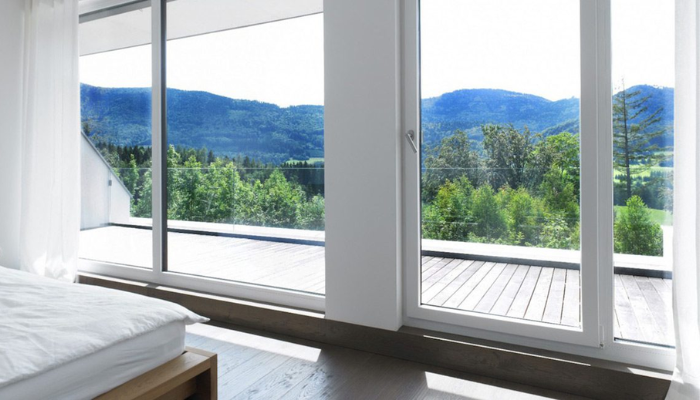
Sliding windows are practical, but over time they can present difficulties in opening or closing, annoying noises, or even air leaks. These problems are usually due to accumulated dirt, worn wheels, misalignment, or deterioration of the locking mechanisms. With a proper check, most faults can be solved without replacing the entire window.
Diagnosis of the problem
Before intervening, observe the behavior of the window. If it doesn't slide correctly, jams when moving, or the lock doesn't fit, it's a sign that some part is not fulfilling its function. Examine the bottom and top rails, the carriages or wheels of the moving sash, and the locking system. Sometimes the fault is simply due to dirt or lack of lubrication; other times, to deformed or broken components.
Tools and materials needed
For an effective repair you will need basic tools such as flat and Phillips screwdrivers, pliers, brush, vacuum cleaner, level, and silicone lubricant. In case of replacement, also prepare new wheel sets, spare rail or profile, Teflon grease, and cleaning cloths. Always use gloves and safety glasses if working with aluminum or glass.
Disassembly of the sliding sash
The first step is to remove the moving sash from the guide. Locate the screws that secure the carriages at the bottom, loosen them, and slightly lift the sash to release it from the rail. If the window has a double sash, slide one to the end to remove it. Place it on a flat, padded surface to prevent scratches. Take this opportunity to observe how the wheels are mounted, as that position will be key when reassembling them.
Cleaning and checking the rails
Once the sash is removed, thoroughly clean the rails. Use a stiff brush or a paintbrush to remove dust and debris, and vacuum the finer particles. If you detect dents or deformations, correct them with a putty knife or sandpaper. In severe cases, the entire rail may need to be replaced. A clean, level rail ensures the window slides smoothly and extends its lifespan.
Replacing or adjusting the wheels
The wheels or carriages support the weight of the sash and facilitate movement. Over time they wear out, causing friction or blockages. Remove the old wheels and install new ones of the same model and size. Adjust the height and level screws until a smooth glide is achieved. If the sash doesn't stay straight or goes out of alignment when moving, repeat the adjustment until it fits perfectly into the frame.
Lubrication of the mechanism and rails
Once everything is clean and adjusted, apply silicone spray lubricant to the rails and wheels. This type of product prevents dust accumulation and does not stain. You can also use Teflon grease if recommended by the system manufacturer. Avoid dense lubricants or household oils, as they trap particles and worsen the problem over time.
Assembly and final adjustments
Place the sash back on the bottom rail, fitting the wheels into position. Carefully tighten the screws without forcing them. Slide the sash several times to check that it moves without resistance and that the lock works correctly. If you notice friction, repeat the wheel adjustment until a smooth and balanced movement is achieved. Finally, clean the glass and frame to remove grease or dust.
Common problems and solutions
Constant friction or jams are usually due to deformed rails or embedded dirt. If the window vibrates or comes off the guide, check the alignment of the carriages. When the lock doesn't fit well, adjust the regulation screws on the sash or latch. And if there are air leaks, check the weatherstripping or rubber profiles: they can harden over time and need replacement.
When to consult a professional
If after following these steps the window still doesn't work properly, the problem may be structural. In those cases it is best to contact an expert in home repairs. In Madrid you can trust the technicians at Handyman Madrid, specialists in home maintenance, who can inspect, repair, or replace your sliding window components quickly and safely.